Exploring Biomorphic Architecture: Merging Nature with Modern Technology
- Jane Evergreen
- Architecture , Technology
- October 4, 2024
Table of Contents
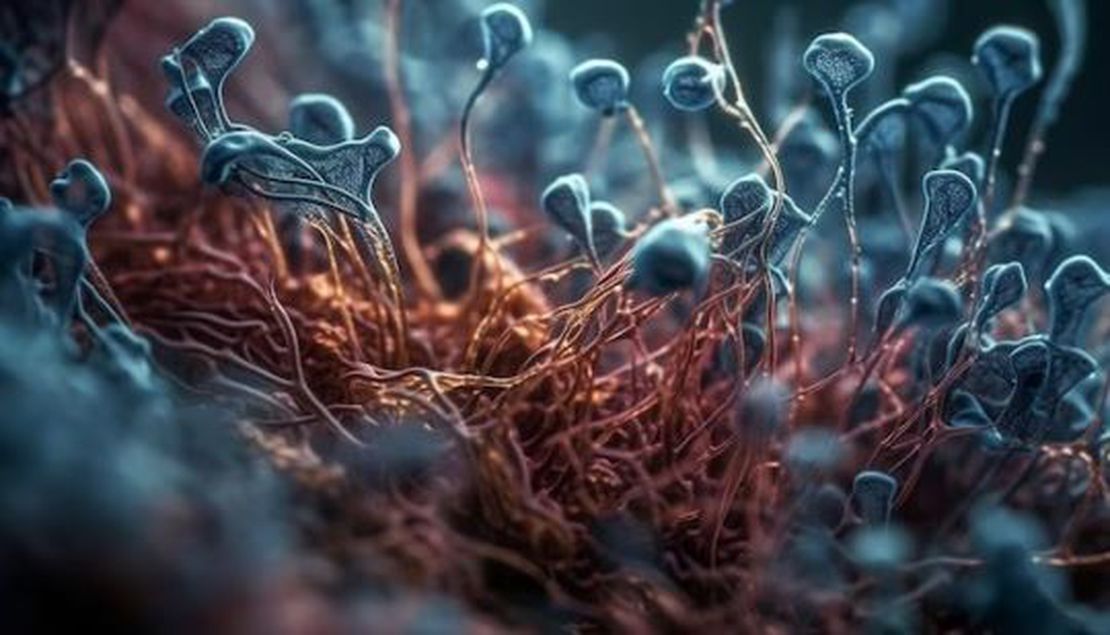
In recent years, architects and technologists alike have been looking to the natural world for inspiration, sparking the rise of biomorphic architecture. This approach to design draws on organic, natural shapes and patterns, merging them with cutting-edge technologies to create spaces that are sustainable, energy-efficient, and visually stunning.
The Fusion of Nature and Technology
Biomorphic architecture goes beyond just aesthetics; it’s about finding harmony between the environment and the built world. By using advanced algorithms and materials that mimic the resilience and adaptability of biological forms, architects can create buildings that respond dynamically to their surroundings.
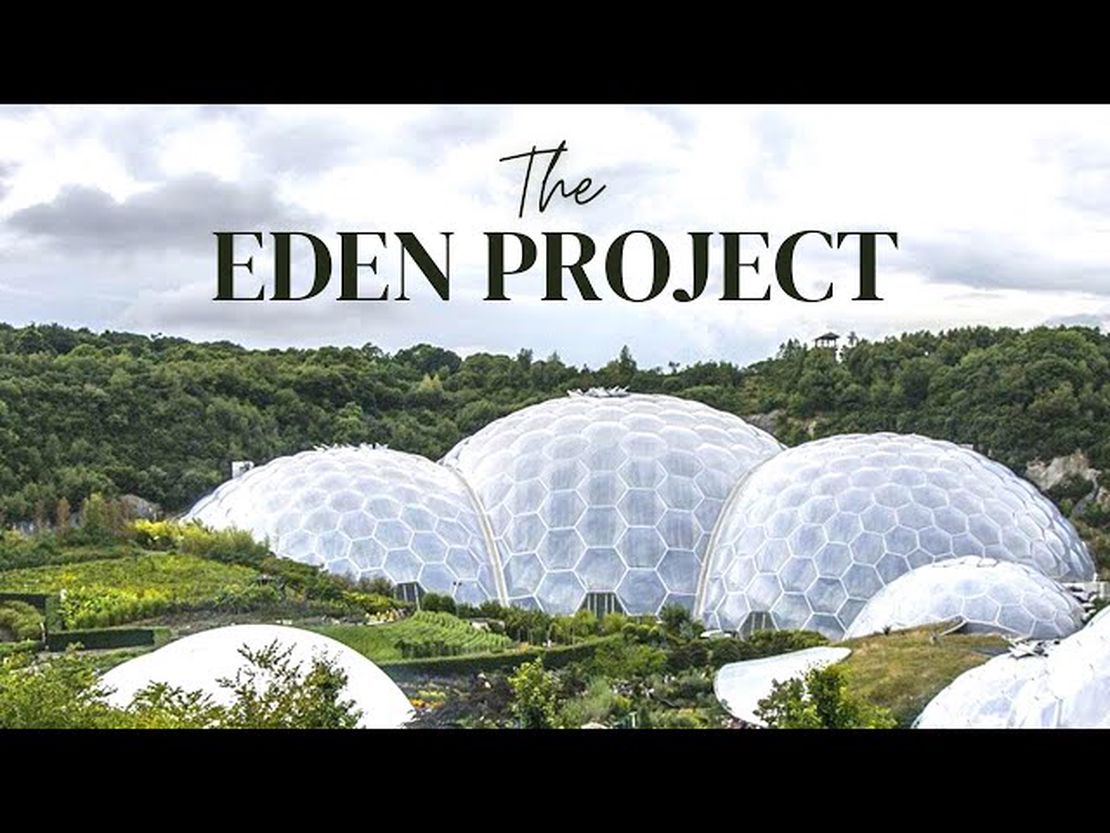
Take, for example, The Eden Project in Cornwall, UK. Its bubble-like geodesic domes are inspired by natural plant cells, allowing the structure to support vast amounts of weight with minimal materials. Similar projects around the world are rethinking traditional building methods to create energy-efficient designs.
“Nature is the ultimate engineer,” says Dr. Lena Patel, an expert in biomimicry. “By studying the way organisms interact with their ecosystems, we’re learning how to design buildings that are not only beautiful but also in tune with the planet.”
Self-Healing Materials: The Future of Construction
One exciting innovation born from this philosophy is the development of self-healing materials. Inspired by how plants and animals repair themselves, researchers are designing concrete, plastics, and other construction materials that can “heal” themselves after damage.
Imagine a skyscraper that can patch up cracks on its own, reducing the need for costly repairs and making buildings safer for longer. These materials use biological processes, like bacteria, to close gaps in the material, a process modeled after coral reefs.
“We are at the dawn of a new era in construction,” explains Marco Ghirardi, a material scientist. “Self-healing materials have the potential to extend the lifespan of buildings by decades, dramatically reducing construction waste and maintenance costs.”
Adaptive Facades: Buildings that Breathe
Another fascinating trend in biomorphic architecture is the development of adaptive facades. These dynamic building skins can adjust to environmental changes in real time—just like a leaf opening to capture sunlight.
Modern adaptive facades use sensors and actuators to regulate airflow, light, and temperature, ensuring that buildings remain comfortable for their occupants without wasting energy. The Al Bahar Towers in Abu Dhabi feature a façade that opens and closes depending on the sun’s position, drastically cutting cooling costs in the hot desert climate.
“It’s like the building has a skin of its own,” says Sarah Montgomery, an architect known for her work in biomorphic design. “These structures respond to their environment almost like a living organism.”
The Role of AI in Nature-Inspired Design
Artificial Intelligence is playing a crucial role in pushing biomorphic design forward. AI algorithms can study and learn from nature’s most efficient structures, helping architects generate designs that balance form and function.
Tools like generative design software allow architects to input specific goals—such as energy efficiency, materials, or aesthetics—and then watch as the AI generates dozens, even hundreds, of design options based on natural principles. This approach results in building designs that are often surprising, organic, and uniquely suited to their purpose.
Conclusion: A More Symbiotic Future
Biomorphic architecture represents more than just a trend; it’s a movement toward a more symbiotic relationship between humans, technology, and the natural world. As more cities around the globe embrace these futuristic designs, we may one day live in buildings that breathe, grow, and even heal themselves.
For architects and developers, the potential is limitless. By looking to nature as both a guide and an ally, the future of construction promises to be as beautiful as it is sustainable.
The next time you walk past a building with sleek lines and sharp edges, ask yourself: What if that building was a tree?